
 English
 Español
 Portugues
 Pусский
 Français
 العربية
 ไทย
ไทย Türk dili
 Indonesia


High Voltage Cable
High voltage cables are essential components in the transmission and distribution of electrical power across vast distances. These cables are designed to handle high voltages, typically above 1,000 volts, which are necessary for efficiently transporting electricity from power plants to substations and eventually to consumers. The structure, materials, and insulation techniques of high voltage cables are meticulously engineered to ensure safety, reliability, and durability.At the core of a high voltage cable is the conductor, which is commonly made from copper or aluminum due to their excellent electrical conductivity. The choice between copper and aluminum often depends on factors such as cost, weight, and application specific requirements. Aluminum, for instance, is lighter and less expensive than copper, but it requires a larger cross-sectional area to carry the same current.Surrounding the conductor is a layer of insulation, which is critical for preventing electrical leakage and protecting the environment from the high voltage current. The insulation is usually made from materials such as cross-linked polyethylene (XLPE) or ethylene propylene rubber (EPR). Each of these materials offers unique benefits: XLPE is valued for its thermal resistance and lower dielectric loss, while EPR is prized for its flexibility and excellent performance in damp conditions.To further protect the cable, additional layers are applied over the insulation. These can include semi-conducting layers to control the electric field within the cable, metal shielding to contain electromagnetic interference, and protective armor to guard against mechanical damage. In some environments, especially where the cable is buried underground or submerged underwater, a lead sheath may also be used to offer additional protection against moisture and chemical ingress.The design and construction of high voltage cables also take into consideration factors such as thermal expansion, corrosion, and mechanical stresses. These factors can influence the lifespan and performance of the cable, necessitating regular maintenance and testing to ensure ongoing reliability. Techniques such as partial discharge testing and thermal imaging are often employed to identify potential issues before they lead to failure.Moreover, the installation of high voltage cables requires careful planning and execution. It often involves complex processes such as laying the cables in trenches, erecting cable towers, or submerging them under bodies of water, depending on the geographical and environmental constraints. Safety is paramount during installation, with stringent protocols in place to protect workers and to ensure the integrity of the cable system.In summary, high voltage cables are sophisticated products of engineering that play a critical role in modern electricity networks. They require a combination of advanced materials, precise construction techniques, and rigorous maintenance to ensure they can meet the demands of transporting energy efficiently and safely over long distances.
Sản phẩm
Danh mục:
Cáp điện áp cao
-
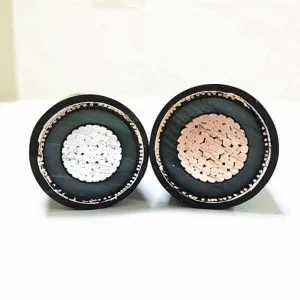
Aluminum Cable Na2xs (F) 2y 20/35kv 1X95/25 1X240/25 1X300/25
Phân loại của họ: Cáp điện áp trung bìnhLượt xem: 275Số:Thời gian phát hành: 2025-07-16 06:10:22The Na2XS(F)2Y aluminum medium voltage cable is available in 1X95/25, 1X240/25 and 1X300/25 configurations, rated at 20/35kV. Featuring XLPE insulation and aluminum conductor compliant with German VDE 0276-620 standard, this cable series offers excellent electrical performance and mechanical strength for power distribution systems up to 35kV. -
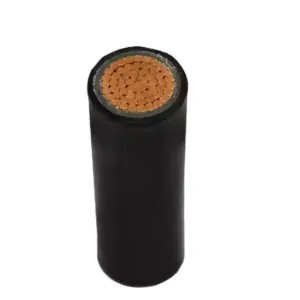
High Voltage 0.6/1kv 3-5 Core Aluminum Conductor PVC/XLPE Underground Power Armoured Cable Various Sizes 16mm 25mm 35mm 70mm
Phân loại của họ: Cáp điện áp thấpLượt xem: 250Số:Thời gian phát hành: 2025-07-21 03:15:37This is a high-voltage 0.6/1kV aluminum conductor power cable, available in 3-5 cores with PVC or XLPE insulation and armored construction for enhanced mechanical protection, suitable for underground burial. It comes in various sizes (16mm², 25mm², 35mm², 70mm²) to meet different power distribution needs, featuring corrosion resistance, crush-proof, and waterproof properties, widely used in industrial, construction, and municipal power systems. -
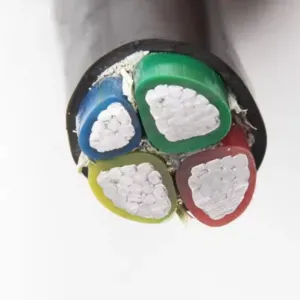
High Voltage 70mm2 4-Core Aluminium XLPE PVC Insulated Electric Power Cable
Phân loại của họ: Cáp điện áp thấpLượt xem: 331Số:Thời gian phát hành: 2025-07-23 07:54:34This is a high-voltage 4-core aluminum conductor power cable with 70mm² cross-section, featuring XLPE (cross-linked polyethylene) insulation and PVC (polyvinyl chloride) outer sheath, offering excellent electrical performance and mechanical strength, suitable for medium and high voltage power transmission systems. -
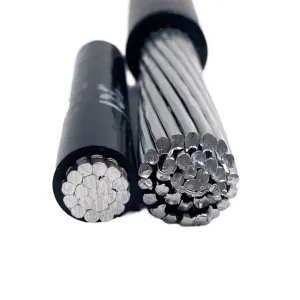
15kv 25kv 35kv Covered Protected Aluminum Single Cores XLPE Insulation PVC High Voltage Power Cable
Phân loại của họ: Cáp điện áp thấpLượt xem: 298Số:Thời gian phát hành: 2025-07-28 06:35:39This product is a 15kV, 25kV, 35kV covered protected aluminum core high-voltage power cable, adopting the structure of "aluminum core/XLPE insulation/PVC sheath", suitable for high-voltage power transmission scenarios. The conductor is made of aluminum, which has both good conductivity and lightweight advantages, reducing erection and transportation costs. The insulation layer uses XLPE (cross-linked polyethylene), which has excellent high-voltage resistance, low dielectric loss and a wide temperature resistance range (-40℃ to 90℃), and can stably withstand the electric field effect of the corresponding voltage level. The outer PVC sheath has weather-resistant and wear-resistant properties, which can resist outdoor wind and rain, ultraviolet rays and mechanical collisions. The single-core design is suitable for high-voltage single-phase transmission needs, and the covered protection structure enhances anti-interference ability. 15kV is applicable to urban distribution network branches, 25kV can be used for high-voltage incoming lines in industrial parks, and 35kV is suitable for outgoing lines of small and medium-sized substations. It meets the safety transmission requirements in high-voltage environments as a whole and provides reliable support for power systems. -
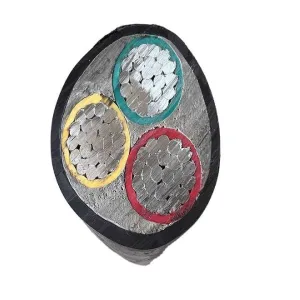
95X4 3 Phase 4 Wire Underground Cable Aluminum 3X185 95mm High Voltage
Phân loại của họ: Cáp điện áp thấpLượt xem: 472Số:Thời gian phát hành: 2025-07-29 06:26:40The core information of 95×4 3 - phase 4 - wire underground aluminum cable and 3×185 + 95mm high - voltage cable is as follows: • Specification and Structure: 95×4 is of 4 - core design with a single core of 95mm², suitable for 3 - phase 4 - wire system; 3×185 + 95mm consists of 3 phase lines of 185mm² and 1 neutral line of 95mm², meeting the three - phase balance requirement of high - voltage power transmission. Both are optimized for underground laying, with resistance to soil pressure and moisture - proof characteristics. • Material and Performance: The conductor is made of aluminum, which is lightweight and cost - effective, suitable for underground installation of large - section cables. Although the insulation material is not specified, high - voltage cables are usually equipped with high - voltage resistant insulation layers (such as XLPE), which can resist corrosion and mechanical impact in underground environments. • Application Scenarios: 95×4 is applicable to medium - and high - voltage underground power distribution, such as underground trunk lines in residential quarters or industrial parks; 3×185 + 95mm high - voltage cables are used for higher - power transmission, such as underground transmission lines from substations to users and underground power supply networks in large industrial plants. These cables balance transmission efficiency and adaptability to underground environments. Aluminum conductors and reasonable core configuration make them an economical choice for high - voltage underground power transmission. -
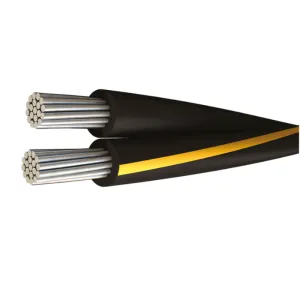
Jklyj Jklgyj Jklhyj High Voltage ABC Cable 1*70mm2 10kv Aluminum Cable
Phân loại của họ: Dây điện cách nhiệt trên caoLượt xem: 471Số:Thời gian phát hành: 2025-08-05 07:25:44Jklyj Jklgyj Jklhyj High Voltage ABC Cable 1*70mm2 10kv Aluminum Cable Jklyj, Jklgyj, and Jklhyj High Voltage ABC Cables in 1*70mm² 规格 (specification) stand as advanced solutions for 10kv overhead power distribution, combining durability, efficiency, and safety for industrial, urban, and rural grids. These single-core aerial bundled cables (ABC) feature a 70mm² aluminum conductor, engineered to deliver reliable high-voltage performance in demanding environments. The 10kv rating ensures compatibility with medium-to-high voltage networks, making them ideal for connecting substations, industrial facilities, and large commercial complexes. The 70mm² aluminum conductor balances conductivity and lightweight design, minimizing power loss while reducing strain on supporting structures. Aluminum’s inherent corrosion resistance, enhanced by specialized coatings in Jklgyj (with galvanized steel reinforcement) and Jklhyj (with hydrophobic insulation) variants, ensures longevity in harsh conditions—from coastal salt spray to industrial pollutants. Insulation varies by type: Jklyj uses XLPE, Jklgyj integrates XLPE with galvanized steel for added mechanical strength, and Jklhyj features hydrophobic XLPE to repel moisture. All variants offer excellent thermal stability (-40°C to 90°C) and UV resistance, maintaining performance in extreme temperatures and sunlight exposure. The ABC design bundles components compactly, reducing wind resistance, simplifying installation, and minimizing electromagnetic interference (EMI). Compliant with international high-voltage cable standards, these cables are trusted for their reliability in 10kv networks. Whether for urban expansion, industrial power links, or rural electrification, they deliver consistent, safe power transmission, making them a cornerstone of modern high-voltage infrastructure. -
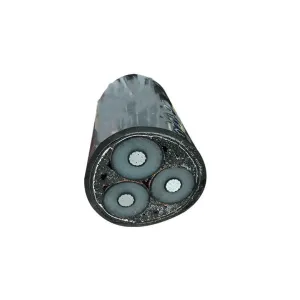
N2xs (F) 2y N2xs (FL) 2y 1X240RM/25 1X300 RM/25 6/10kv 12/20kv 18/30kv AC Cable
Phân loại của họ: Cáp điện áp trung bìnhLượt xem: 360Số:Thời gian phát hành: 2025-08-06 07:10:31The N2xs (F) 2y and N2xs (FL) 2y series AC cables are high-performance cables specially designed for medium and high-voltage power transmission scenarios. They cover multiple voltage levels such as 6/10kv, 12/20kv, and 18/30kv, with specifications including 1X240RM/25 and 1X300RM/25. With their unique structural design and reliable performance, they play an important role in power systems. In terms of models, "N2xs" is the basic model of the cable, representing its basic structure and design standards. "(F)" and "(FL)" reflect the special protective properties of the cable. Among them, "F" may indicate that the cable has anti-corrosion, waterproof and other characteristics, suitable for humid environments with many corrosive media, such as underground tunnels and chemical industrial parks. "FL" is likely to mean enhanced fire resistance, which can maintain normal operation for a certain period of time in high-temperature or fire environments, buying time for personnel evacuation and emergency treatment. Therefore, it is often used in high-rise buildings, subways, power plants and other places with extremely high fire protection requirements. "2y" may be related to the laying method or the number of structural layers of the cable, ensuring the stability and safety of the cable under specific installation conditions. In terms of specifications, "1X" indicates that the cable is of a single-core structure. This design can effectively reduce electromagnetic interference inside the cable and improve the stability of power transmission. It is especially suitable for transmitting a single-phase current in a high-voltage system, facilitating phase separation laying in complex power networks. In "240RM/25" and "300RM/25", "240" and "300" refer to the cross-sectional area of the conductor (unit: square millimeters). The larger the cross-sectional area, the higher the current-carrying capacity of the cable, which can meet the power transmission needs of different powers. The 240-square-millimeter conductor is suitable for medium-power transmission, while the 300-square-millimeter one can cope with larger power scenarios. "RM" may represent the type of conductor or the characteristics of the insulating material, ensuring the conductive performance of the conductor and the insulating effect. "25" may be the size parameter of the insulation layer or other key structures, ensuring that the cable has sufficient insulation strength to resist the risk of electrical breakdown under the corresponding voltage level. The voltage levels cover 6/10kv, 12/20kv, and 18/30kv, enabling it to adapt to power transmission needs of different scales. 6/10kv is suitable for urban distribution networks, internal power supply in industrial parks and other scenarios; 12/20kv can be used to connect regional substations with larger industrial users or commercial complexes; 18/30kv is more suitable for long-distance medium and high-voltage power transmission, such as power networking between cities or power transmission in large energy projects. In conclusion, the N2xs (F) 2y and N2xs (FL) 2y series AC cables, with their diverse voltage levels, flexible specification options and targeted protective properties, can be widely used in various complex power transmission environments, providing a solid guarantee for the safe and stable operation of power systems. -
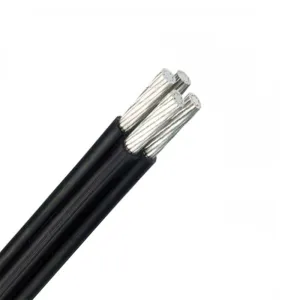
ABC Cable - 0.6/1kv - 4X50mm² , 4X70mm² , 4X95mm² , 4X120mm² , 4X150mm² - Al/XLPE
Phân loại của họ: Dây điện cách nhiệt trên caoLượt xem: 357Số:Thời gian phát hành: 2025-09-03 06:56:32The ABC (Aerial Bundled Cable) series—rated 0.6/1kV, featuring 4-core configurations of 50mm², 70mm², 95mm², 120mm², and 150mm² aluminum conductors, and XLPE (cross-linked polyethylene) insulation—stands as a versatile, high-performance solution for low-voltage power distribution across residential, commercial, and light industrial sectors. Unlike generic overhead cables, this series is engineered to balance scalable current-carrying capacity, durable material performance, and ease of aerial installation, making it a preferred choice for utilities, electrical contractors, and infrastructure developers tackling projects with diverse load demands. By examining its core design, conductor sizing versatility, material advantages, and real-world application value, this summary highlights why it has become a staple for modern low-voltage overhead distribution networks. At the heart of this cable series is its diverse 4-core aluminum conductor sizing (50mm² to 150mm²), each calibrated to address specific load requirements—from medium-density residential complexes to heavy-duty light industrial facilities. The 4-core configuration (3 phase conductors + 1 neutral conductor) aligns with global three-phase four-wire (3P+N) low-voltage systems, ensuring balanced power distribution that minimizes voltage fluctuations—critical for protecting sensitive equipment like commercial HVAC systems, industrial motors, or residential smart appliances. Each conductor size delivers a distinct ampacity (current-carrying capacity) tailored to its intended use: The 4×50mm² variant offers an ampacity of 130–150 amps at 30°C, ideal for powering medium-sized residential neighborhoods (20–30 homes) or small retail centers with moderate energy demands (e.g., a 5,000-square-foot grocery store). The 4×70mm² cable boosts ampacity to 160–180 amps, suitable for larger commercial spaces like office buildings (10–15 floors) or regional distribution warehouses with multiple loading docks. The 4×95mm² and 4×120mm² options provide 200–220 amps and 230–250 amps, respectively, catering to light industrial applications such as manufacturing workshops with small assembly lines or food processing plants. The largest 4×150mm² variant delivers 270–290 amps, designed for high-load scenarios like industrial parks with multiple small factories or large-scale outdoor event venues (e.g., stadiums or concert grounds) requiring temporary but robust power. This sizing scalability eliminates the need for multiple cable types across a single project, simplifying inventory management and reducing installation complexity—particularly valuable for contractors working on mixed-use developments that combine residential, commercial, and light industrial zones. The aluminum conductor material is a strategic choice for aerial applications, offering a superior balance of performance, cost, and practicality. Aluminum is 30% lighter than copper conductors of the same cross-sectional area, reducing the mechanical load on utility poles and support structures. For example, a 100-meter length of 4×150mm² aluminum cable weighs approximately 84 kg, compared to 237 kg for a copper equivalent—making it easier for crews to handle and install without specialized heavy-lifting equipment. This lighter weight also extends the lifespan of utility poles by minimizing long-term stress, lowering maintenance costs for utilities. Aluminum is also 40–50% more cost-effective than copper, a critical advantage for large-scale projects (e.g., new residential subdivisions or industrial park expansions) where material costs can account for 30–40% of the total budget. Modern aluminum conductors in this series address historical concerns about corrosion through a zinc or aluminum oxide anti-corrosion coating. This coating forms a protective barrier against moisture, salt spray (in coastal areas), and industrial pollutants, ensuring the conductors maintain their electrical and mechanical performance for 25–30 years—matching the lifespan of the XLPE insulation. The XLPE insulation further elevates the cable’s durability and reliability, making it suitable for the harsh outdoor conditions of aerial installation. Unlike traditional PVC insulation, XLPE undergoes a cross-linking process (via chemical, radiation, or silane methods) that transforms its linear polymer structure into a three-dimensional network. This structural change delivers exceptional properties: Thermal Stability: XLPE operates reliably across a temperature range of -40°C to 90°C, far wider than PVC’s 0°C to 70°C. This allows the cable to perform in extreme climates—from freezing winter nights in northern regions to hot, arid summers in southern areas—without insulation degradation. Electrical Performance: With a dielectric strength of 20 kV/mm and a low dielectric loss tangent (tan δ < 0.001 at 50Hz), XLPE minimizes energy loss during transmission and reduces the risk of short circuits caused by electrical breakdown. This efficiency is particularly valuable for utilities aiming to lower transmission losses and meet sustainability goals. Environmental Resistance: XLPE is highly resistant to water absorption (≤0.1% after 24 hours of immersion), UV radiation, and common environmental contaminants (e.g., dust, oils, or bird droppings). This resistance eliminates the need for frequent insulation repairs or replacements, even in exposed aerial installations. The insulation thickness is calibrated to each conductor size (e.g., 1.2mm for 50mm², 1.6mm for 150mm²) to meet the 0.6/1kV voltage rating while maintaining a compact profile—critical for fitting multiple cables on utility poles in dense urban or commercial areas. The aerial bundled (ABC) design is tailored to the logistical challenges of overhead installation. By integrating all 4 cores into a single bundled unit, the cable reduces clutter on utility poles and minimizes the risk of damage from vegetation (e.g., tree branches), wildlife (e.g., squirrels), or accidental contact. The cores are twisted in a helical pattern with a pitch of 15–20 times the cable’s outer diameter (approximately 300–450mm), enhancing flexibility for navigating the 30–50 meter spans between utility poles (standard spacing in most urban and suburban areas). Many variants include an optional high-tensile messenger element (16mm² or 25mm² galvanized steel or aluminum-clad steel) integrated into the bundle. The messenger provides additional mechanical support, enabling spans of up to 60 meters between poles—ideal for rural or semi-rural areas where utility pole spacing is wider. This integrated design eliminates the need for separate support wires, reducing installation time by 30–40% compared to traditional overhead cables. In terms of applications, this ABC cable series excels across diverse sectors: Residential Developments: The 4×50mm² and 4×70mm² variants power medium to large residential neighborhoods, where their compact design and lightweight construction fit easily on residential utility poles. The XLPE insulation’s UV resistance ensures longevity in sunny climates, while the anti-corrosion aluminum conductors withstand humidity in coastal or rainy regions. Commercial Districts: The 4×70mm² and 4×95mm² sizes serve shopping malls, office complexes, and retail centers, supporting balanced three-phase power for lighting, HVAC systems, and point-of-sale equipment. The low dielectric loss of XLPE ensures efficient power delivery during peak hours (e.g., Black Friday sales or morning office startup), preventing voltage drops that could disrupt business operations. Light Industrial Zones: The 4×95mm², 4×120mm², and 4×150mm² variants cater to manufacturing workshops, warehouses, and small factories, powering electric motors, conveyor belts, and industrial machinery. The cable’s high ampacity handles the intermittent heavy loads of industrial equipment, while its durability resists damage from dust or oil exposure. Rural Electrification: The optional messenger-equipped variants (4×50mm² to 4×95mm²) are ideal for rural areas, where wider pole spacing requires additional mechanical support. The cable’s corrosion resistance ensures reliability in agricultural environments, where exposure to fertilizers or irrigation water is common. Installation and maintenance benefits further enhance the series’ appeal. The lightweight design and flexible bundled structure simplify installation: crews can string the cable between poles using standard overhead tools (e.g., tensioners, pulleys) and secure it with clips that attach to existing pole brackets—no need for new mounting hardware. Maintenance requirements are minimal: XLPE insulation does not require periodic re-treatment (unlike rubber or paper insulation), and the anti-corrosion aluminum conductors need only annual visual inspections to check for signs of wear. Routine tests—such as insulation resistance checks (using a megohmmeter) or tension adjustments for messenger-equipped variants—can be completed quickly, minimizing downtime and maintenance costs. Compliance with international standards ensures global applicability. The cable meets IEC 60502-1 (for low-voltage power cables with extruded insulation) and ANSI/ICEA S-94-649 (for aerial bundled cables), undergoing rigorous testing for voltage withstand, thermal cycling, and mechanical strength. For example, each variant passes a 5-minute voltage withstand test at 2.0 kV (phase-to-neutral) and 3.0 kV (phase-to-phase), and a 1,000-hour UV exposure test with no significant insulation degradation. This compliance ensures the cable is compatible with electrical grids worldwide, from Europe and Asia to North and South America. In summary, the ABC Cable series (0.6/1kV, 4×50mm² to 4×150mm², Al/XLPE) addresses the diverse needs of modern low-voltage aerial distribution with its scalable sizing, durable materials, and practical design. Whether powering a residential neighborhood, a commercial complex, or a light industrial facility, it delivers reliability, efficiency, and cost-effectiveness—making it a trusted solution for infrastructure projects of all scales. -
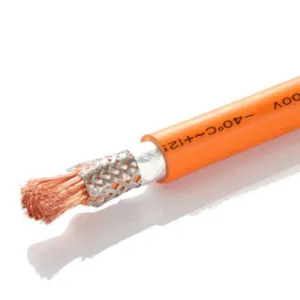
High Current Waterproof High Voltage EV Cable Shielded and Unshielded Cable XLPE Insulated PVC Cables for New Energy Vehicle
Phân loại của họ: Cáp điện áp thấpLượt xem: 275Số:Thời gian phát hành: 2025-09-10 06:09:48High current waterproof high voltage EV cables are specialized components engineered to meet the demanding power transmission needs of new energy vehicles (NEVs), including electric cars, buses, and hybrid vehicles. These cables are designed to handle high voltages (typically 600V to 1000V or higher) and large currents (often exceeding 200A), while withstanding harsh automotive environments—making them critical for battery-to-inverter, charger-to-battery, and motor-to-controller connections. Available in both shielded and unshielded variants, they feature XLPE insulation and PVC sheathing, combining electrical efficiency, durability, and environmental resistance. Core Design and Electrical Performance At the heart of these cables are high-conductivity copper or aluminum conductors, chosen for their ability to transmit large currents with minimal loss. Copper conductors, with a conductivity of 58 MS/m, are preferred for their superior performance, while aluminum offers a lightweight, cost-effective alternative for applications where weight reduction is prioritized. The conductors are often stranded—composed of multiple fine wires twisted together—to enhance flexibility, a key requirement for routing within tight vehicle compartments and accommodating vibration during operation. Voltage and Current Ratings: These cables are rated for high voltages (up to 1500V in some industrial EVs) and currents ranging from 100A to 500A, depending on conductor size (typically 10mm² to 50mm²). This allows them to efficiently transfer power from the vehicle’s battery pack to the electric motor, as well as handle fast-charging currents from external chargers. Insulation: Cross-linked polyethylene (XLPE) serves as the primary insulation layer, offering exceptional dielectric strength (≥20 kV/mm) to prevent electrical breakdown at high voltages. XLPE’s cross-linked molecular structure also provides excellent thermal stability, enabling continuous operation at temperatures up to 120°C (with short-term overloads at 150°C)—critical for withstanding heat generated during high-current transmission. Additionally, XLPE is resistant to water, oils, and chemicals, ensuring insulation integrity in wet or contaminated environments. Shielding and Environmental Protection EV cables face significant electromagnetic interference (EMI) from vehicle electronics (e.g., sensors, control systems) and must also avoid emitting EMI that could disrupt other components. Shielded Variants: Shielded cables incorporate a metallic layer (typically tinned copper braid or aluminum foil) around the insulated conductor. This shield grounds EMI, preventing it from escaping the cable or entering from external sources—essential for maintaining signal integrity in advanced driver-assistance systems (ADAS) and battery management systems (BMS). The braid coverage (often 85% to 95%) balances flexibility and EMI protection. Unshielded Variants: Unshielded cables omit the metallic layer, making them lighter and more cost-effective. They are used in non-critical circuits where EMI risks are low, such as auxiliary power connections for lights or fans. Both variants feature a PVC outer sheath, which adds a durable, waterproof barrier. PVC is resistant to abrasion, UV radiation, and temperature extremes (-40°C to 105°C), ensuring the cable survives exposure to road debris, rain, and engine bay heat. The sheath also enhances flame retardancy, meeting automotive safety standards (e.g., UL 94 V-0) to reduce fire risk. Applications in New Energy Vehicles These cables are integral to multiple NEV systems: Battery-to-Inverter Connections: Transmit high-voltage DC from the battery pack to the inverter, which converts it to AC for the electric motor. Fast-Charging Ports: Handle high-current AC/DC from charging stations to the battery, requiring waterproof designs (IP67/IP6K9K ratings) to withstand rain and washing. Motor-to-Controller Links: Connect the inverter to the motor, enduring vibration and high temperatures near the engine. BMS Communication: Shielded cables ensure accurate data transmission between battery cells and the BMS, critical for monitoring state of charge (SOC) and preventing overcharging. Compliance and Reliability Manufactured to meet strict automotive standards (e.g., ISO 14572, SAE J1772), these cables undergo rigorous testing—including voltage withstand, thermal cycling, and water immersion tests—to validate performance. Their waterproof design (achieved via tight jacketing and sealed connectors) ensures operation in puddles or heavy rain, while resistance to oil and coolant prevents degradation from under-hood fluids. In summary, high current waterproof high voltage EV cables—with XLPE insulation, PVC sheathing, and optional shielding—deliver the durability, efficiency, and EMI protection required for NEVs. Whether shielded for critical systems or unshielded for cost-sensitive applications, they enable safe, reliable power transmission in the demanding environments of electric and hybrid vehicles. This summary covers the key elements of these EV cables. If you need more details on specific aspects like conductor sizes or compliance standards, feel free to let me know. -
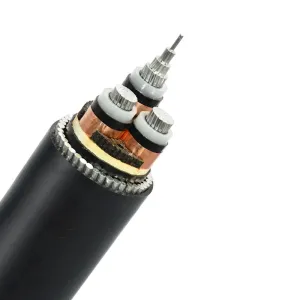
33kv High Voltage 16mm 25mm 50mm2 50mm 70 mm 90mm 95mm 100mm 150mm 400mm2 Armoured XLPE PVC Aluminium Electric Cable Price
Phân loại của họ: Cáp điện áp trung bìnhLượt xem: 365Số:Thời gian phát hành: 2025-09-17 05:30:53High-voltage power transmission and distribution systems form the backbone of modern energy infrastructure, requiring cables that balance robust electrical performance, mechanical durability, and cost-effectiveness. The 33kV High-Voltage Armoured XLPE/PVC Aluminum Electric Cable, available in conductor cross-sectional areas ranging from 16mm² to 400mm², is engineered to meet these demands, serving critical applications in utility grids, industrial complexes, renewable energy (solar/wind) farms, and large-scale commercial projects. This abstract explores the cable’s technical specifications, material innovations, performance advantages, and key factors influencing its pricing—providing a holistic overview for procurement professionals, engineers, and project managers seeking to align product selection with budget and operational needs. At the core of this cable’s design is its 33kV voltage rating, positioning it for medium-to-high voltage power transmission scenarios such as connecting regional substations, evacuating power from wind/solar parks to the main grid, or supplying electricity to heavy-industry facilities (e.g., steel mills, chemical plants) with high power demands. The conductor cross-sectional areas—spanning 16mm², 25mm², 50mm², 70mm², 95mm², 120mm², 150mm², and 400mm²—cater to varying current-carrying requirements: smaller sizes (16mm²-50mm²) suit low-to-medium load applications like rural grid extensions or auxiliary power for industrial equipment, while larger sizes (150mm²-400mm²) handle high-current transmission (e.g., 400mm² conductors support up to 630A continuous current at 33kV, per IEC 60502-2 standards) for utility-scale projects. The use of high-purity aluminum (99.7% minimum purity) as the conductor material is a defining cost-saving feature: aluminum offers 60% of copper’s conductivity at approximately 30% of the cost, reducing raw material expenses while maintaining sufficient electrical efficiency for 33kV systems. Its lighter density (2.7g/cm³ vs. copper’s 8.9g/cm³) also lowers transportation and installation costs, as the cable is easier to handle and requires less structural support (e.g., lighter cable trays, fewer utility poles). Material innovation further enhances the cable’s reliability and versatility. The insulation system adopts a double-layer design: an inner cross-linked polyethylene (XLPE) layer and an outer polyvinyl chloride (PVC) sheath. XLPE is selected for its exceptional electrical insulation properties—with a dielectric strength of ≥20kV/mm, low dielectric loss (tanδ ≤0.003 at 20°C), and resistance to thermal aging—enabling stable performance at continuous operating temperatures of -40°C to 90°C (and short-term overloads up to 130°C). This makes the cable suitable for harsh environments, from freezing northern climates to hot, humid coastal regions. The outer PVC sheath adds a secondary layer of protection, offering resistance to abrasion, moisture, and common industrial chemicals (e.g., dilute acids, alkalis), while also providing flame-retardant properties (compliant with IEC 60332-1) to enhance safety in fire-prone areas. Complementing the insulation system is the steel wire armour (SWA) or steel tape armour (STA) layer, depending on the application: SWA (used for 50mm²-400mm² sizes) provides high tensile strength and impact resistance, ideal for direct burial, duct installation, or exposed routing in industrial yards; STA (common for 16mm²-25mm² sizes) offers lightweight protection for overhead or indoor cable trays, preventing damage from rodents or minor mechanical stress. Pricing for the 33kV armoured XLPE/PVC aluminum cable is dynamic, influenced by four key factors that procurement teams must consider. First, conductor size is the most direct cost driver: smaller cross-sections (16mm²-25mm²) typically range from \(2.50 to \)5.00 per meter, while larger sizes (150mm²-400mm²) cost \(12.00 to \)30.00 per meter. This price gap reflects the increased aluminum content, thicker insulation/armour, and more complex manufacturing processes required for higher-current cables. Second, raw material costs—specifically aluminum and steel—fluctuate with global commodity markets. For example, a 10% increase in aluminum prices (e.g., from \(2,500 to \)2,750 per ton) can raise the cost of a 100mm² cable by 5-7%, as aluminum constitutes 40-50% of the cable’s total material cost. Third, order volume impacts unit pricing significantly: bulk orders (≥10,000 meters) often qualify for 10-15% discounts compared to small-batch purchases (≤1,000 meters), as manufacturers benefit from economies of scale in production and shipping. Fourth, customization requirements—such as modified armour thickness, UV-stabilized PVC for outdoor use, or halogen-free insulation for sensitive environments (e.g., data centers)—can add 15-25% to the base price, depending on the complexity of the adjustment. Beyond cost, the cable’s performance advantages justify its investment. Its XLPE insulation minimizes power loss (≤0.5% per 10km at 33kV), reducing long-term energy waste and operational costs for utilities. The steel armour extends the cable’s service life to 25-30 years (vs. 15-20 years for unarmoured alternatives), lowering maintenance and replacement expenses. Additionally, aluminum’s corrosion resistance—enhanced by a zinc coating on the conductor—ensures durability in outdoor or humid conditions, eliminating the need for frequent inspections. For renewable energy projects, the cable’s compatibility with 33kV grid connections and ability to handle variable power outputs (e.g., from wind turbines) makes it a sustainable choice, aligning with global decarbonization goals. In summary, the 33kV High-Voltage Armoured XLPE/PVC Aluminum Electric Cable (16mm²-400mm²) delivers a balance of technical performance, durability, and cost-efficiency for high-voltage applications. Its pricing, while influenced by size, raw materials, volume, and customization, reflects its value in ensuring reliable power transmission and long-term operational savings. For buyers, understanding these dynamics is critical to selecting the right conductor size, negotiating favorable terms, and optimizing budget allocation—ultimately supporting the success of large-scale energy and infrastructure projects.
Tin tức
Danh mục:
Không có kết quả tìm kiếm!
Trường hợp
Danh mục:
Không có kết quả tìm kiếm!
Video
Danh mục:

Tải về
Danh mục:
Không có kết quả tìm kiếm!
Tuyển dụng
Danh mục:
Không có kết quả tìm kiếm!
Sản phẩm được đề xuất
Không có kết quả tìm kiếm!



 Điện thoại
 Thư
Thư